
Why Every Houston Homeowner Needs to Know How to Protect Your Sewer Line from Damage
Knowing how to protect your sewer line from damage can save you from one of the most disruptive and expensive problems a homeowner can face. Here’s a quick-reference summary of the most effective steps:
- Never pour fats, oils, or grease (FOG) down the drain – let them cool and throw them in the trash
- Only flush the “3 Ps” – Pee, Poop, and toilet Paper
- Install strainers on all sink and shower drains to catch debris
- Keep trees with aggressive roots away from your sewer line – at least 30 feet of clearance
- Schedule a professional camera inspection every 1-3 years depending on your home’s age
- Install a backwater prevention valve to stop sewage from flowing back into your home
- Know where your cleanout is so you can quickly identify whether a backup is your problem or the city’s
Your sewer line works silently underground every single day — and most homeowners don’t give it a second thought until something goes terribly wrong. A slow drain here, a strange gurgling sound there, and suddenly you’re dealing with raw sewage backing up into your home. It’s not just a mess. It’s a health hazard, a property damage risk, and a serious financial hit.
The numbers tell a sobering story. Sewer backups across the country are increasing at roughly 3% every year, and the nation’s sewer infrastructure is on average over 30 years old. Right here in Houston, 70% of sewer overflows are caused by fats, oils, and grease poured down drains and wipes flushed down toilets — problems that are almost entirely preventable.
The good news? Most sewer line damage doesn’t happen overnight. It builds slowly, and with the right habits and a little proactive maintenance, you can stop the majority of problems before they ever start.
Understanding Your Sewer Lateral and Homeowner Responsibilities
In Houston, many residents assume that any pipe buried beneath the street or the sidewalk is the city’s problem. Unfortunately, that’s a misconception that can lead to unexpected repair bills. Every home has a sewer lateral, which is the pipe that connects your household plumbing to the main municipal sewer line.
As a homeowner, you are responsible for the maintenance and repair of this lateral line. This responsibility often extends from your house all the way to the connection at the city main, even if part of that pipe runs under the public right-of-way or the street.
The challenge we face in the Greater Houston area is aging infrastructure. With many local sewer lines now exceeding 30 years of age, the materials—often clay or cast iron in older neighborhoods—are reaching the end of their lifespan. When these pipes fail, they can cause a Sanitary Sewer Overflow (SSO), which is raw wastewater escaping the system.
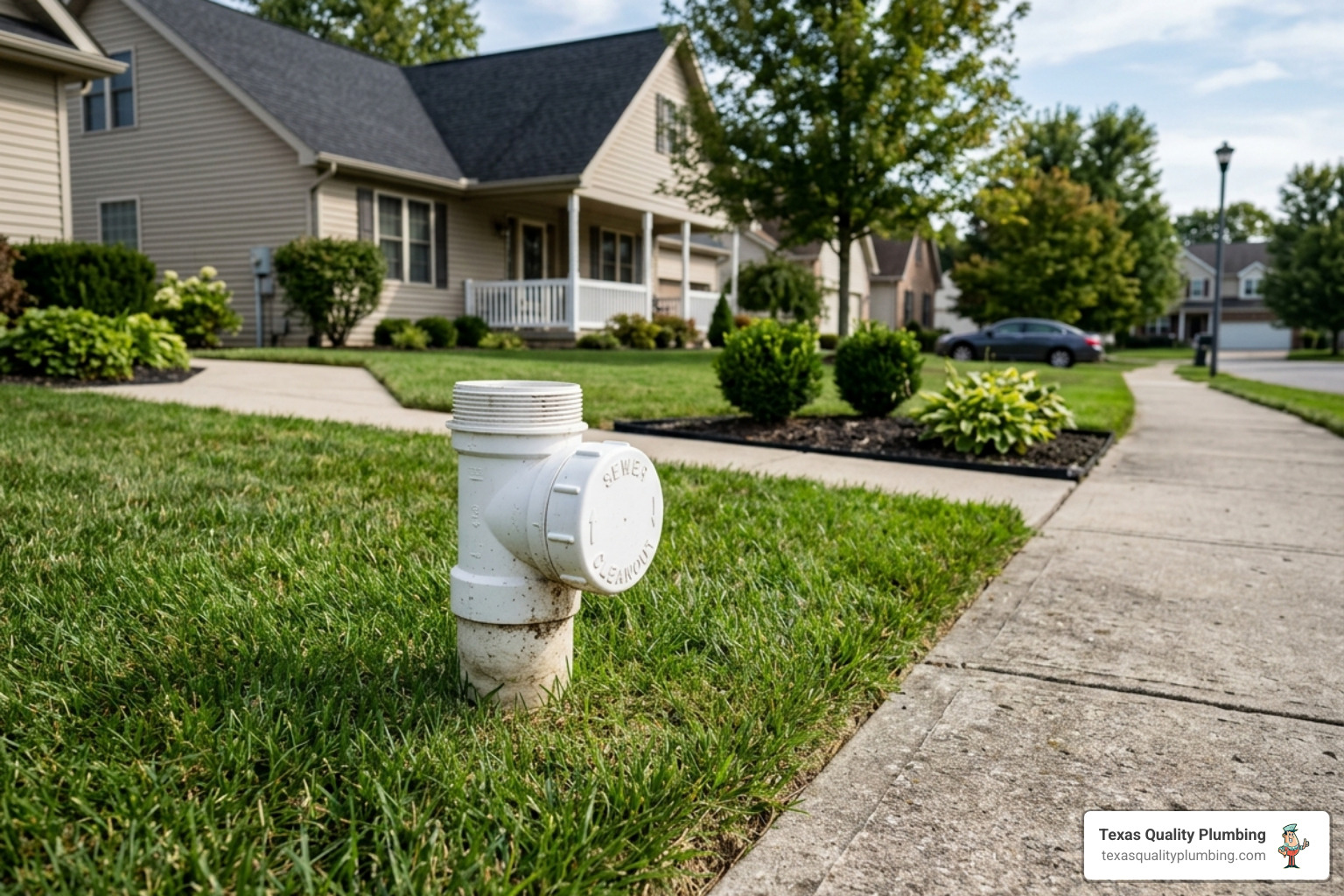
To manage this, you should locate your cleanout. This is typically a white plastic pipe with a cap located in your yard. If you experience a backup, checking the cleanout is the first step: if there is standing water in the cleanout, the issue might be on the city’s side. If the cleanout is dry but your house is backed up, the blockage is likely in your private line. For more information on the various components of your waste system, you can visit our page on Sewers.
How to Protect Your Sewer Line from Damage Through Daily Habits
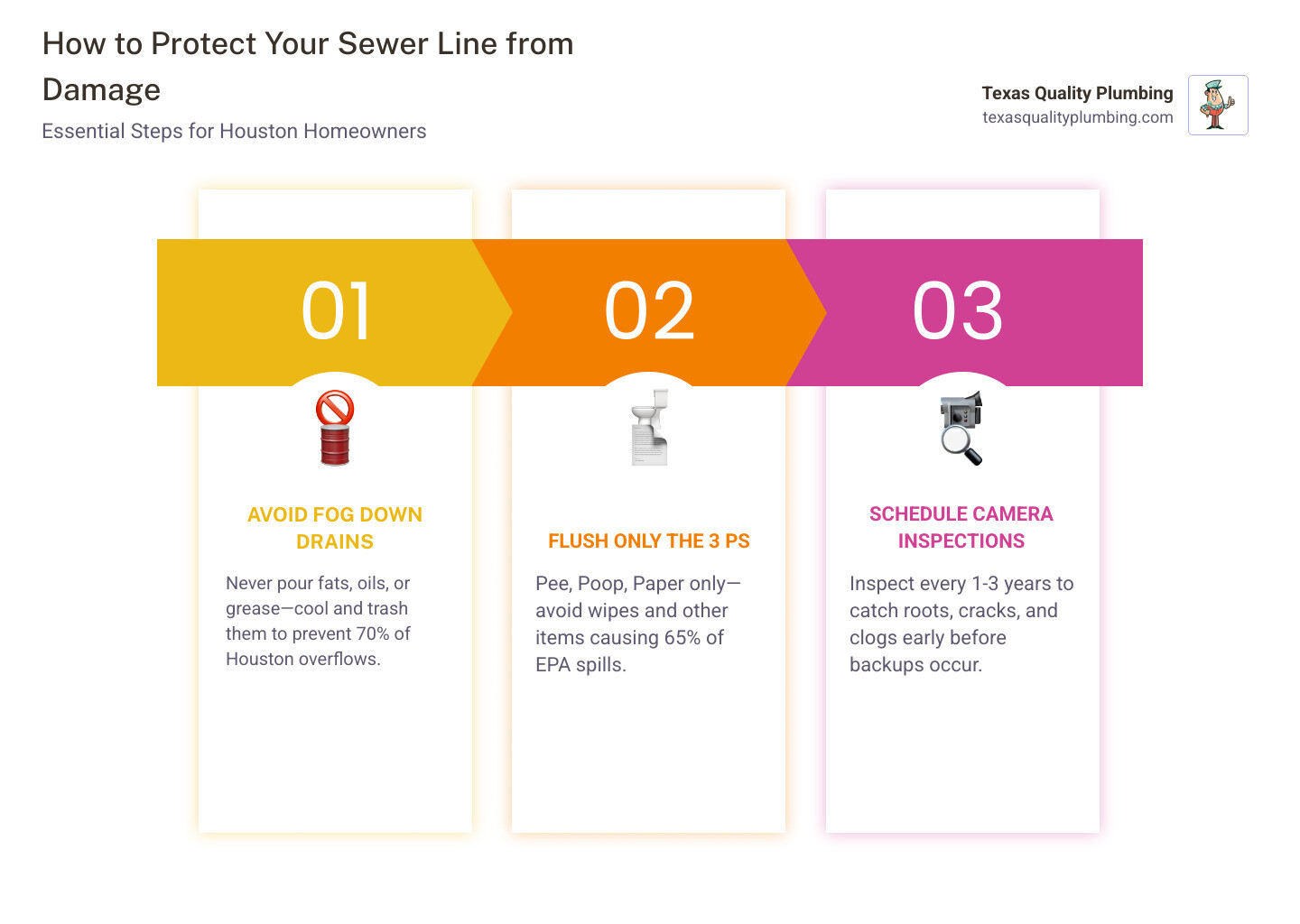
The most effective way to maintain your plumbing is to watch what goes down the sink. In Houston, 70% of sewer overflows are attributed to clogs caused by Fats, Oils, and Grease (collectively known as FOG) and “flushable” wipes.
When FOG is poured down the drain, it might be liquid while it’s hot, but it quickly cools and solidifies into a wax-like substance. This substance grips the walls of your pipes, catching other debris and eventually causing a total blockage. Utilizing Sewer Line Cleaning Services can clear these accumulations, but prevention is always better.
Simple daily habits include:
- Using sink strainers: These catch food scraps, hair, and debris before they enter the lateral.
- Wiping greasy pans: Use a paper towel to wipe out grease and throw it in the trash instead of rinsing it into the sink.
- Proper disposal: Pour used cooking oil into a heat-resistant container, let it cool, and dispose of it in the garbage.
Preventing Clogs to Protect Your Sewer Line from Damage
When it comes to the bathroom, we always recommend the “3 Ps” rule: only Pee, Poop, and toilet Paper should ever be flushed. Even if a product is labeled “flushable,” it does not break down the same way toilet paper does. These wipes often get snagged on small imperfections or roots inside the pipe, leading to massive clogs.
According to the EPA, 65% of all sanitary sewer spills are related to FOG. This becomes an even bigger issue during the Houston holiday season. When temperatures drop, grease solidifies much faster. Houston Public Works typically responds to twice as many overflows during colder months because of this “holiday grease spike.” If you do find yourself with a stubborn blockage, knowing How to Clear Clogged Sewer Line issues safely—without using corrosive chemicals—is vital for the longevity of your pipes.
| Item | Flushable? | Why? |
|---|---|---|
| Toilet Paper | YES | Designed to dissolve quickly in water. |
| “Flushable” Wipes | NO | Do not break down; cause 70% of Houston overflows. |
| Paper Towels | NO | Too thick and fibrous; will snag and cause clogs. |
| Dental Floss | NO | Acts like a net, catching other debris in the line. |
| Diapers/Feminine Products | NO | Expand in water and create immediate, heavy blockages. |
Identifying and Stopping Root Intrusion to Protect Your Sewer Line from Damage
Tree roots are naturally attracted to sewer lines because they are a constant source of moisture and nutrients. Even the smallest crack in an old clay pipe joint releases moisture that acts as a beacon for roots. Once a tiny root hair enters the pipe, it grows rapidly, expanding the crack and eventually filling the pipe completely.
Recognizing Root Intrusion Signs in Sewer Lines early is essential. If you have large trees near your sewer path, you should be on the lookout for gurgling toilets or multiple slow drains. Identifying Tree Root Intrusions often requires professional equipment, as the damage is hidden underground.
To prevent this, we suggest:
- Strategic Planting: Keep large trees at least 30 feet away from your sewer line.
- Root Barriers: Installing physical barriers can redirect root growth away from your pipes.
- Pipe Replacement: If your old clay pipes are constantly under attack, replacing them with modern, seamless PVC can ensure Root Invasion Problems Solved for decades.
Managing Houston’s Environmental Risks to Sewer Infrastructure
Houston’s geography presents unique challenges for underground pipes. Our region is famous for its expansive clay soil. This soil acts like a sponge; it swells significantly when it rains and shrinks when it dries out. This constant movement puts immense physical stress on sewer lines, often leading to joint misalignment or pipe cracking.
When the soil shifts, it can create “bellies” or sags in the line where waste collects rather than flowing through. This is one of the many Signs of Hidden Sewer Line Problems that homeowners might miss until a full backup occurs. Heavy rain can also lead to “infiltration,” where groundwater enters cracked pipes, overwhelming the system.
A Sewer Camera Inspection Houston Guide is often the only way to see how the local soil is affecting your infrastructure. If you notice foundation cracks or sinkholes in your yard, it may indicate a leaking sewer line is washing away the soil beneath your home. For those in the surrounding areas, our Sewer Camera Inspection Cypress Guide offers similar localized advice on managing these environmental risks.
Proactive Maintenance and Early Warning Signs
You don’t have to wait for a disaster to know the health of your plumbing. Your house will often give you “warnings” before a total failure.
- Gurgling Drains: If your toilet bubbles when you run the shower, or your sink gurgles when the washing machine drains, air is being trapped by a partial blockage.
- Lush Grass Patches: If one area of your lawn is significantly greener and faster-growing than the rest, it might be “fertilized” by a leaking sewer pipe.
- Foul Odors: Persistent sewer gas smells inside or outside the home are a major red flag.
Understanding the Signs You Need Sewer Camera Inspection can help you catch a small crack before it becomes a collapsed line. We recommend Plumbing Regular Sewer Camera Inspections every 1 to 3 years, especially for older homes.
In addition to inspections, consider installing a backflow prevention valve. This device allows waste to flow out of your home but features a flapper that closes if sewage begins to back up from the city main, protecting your interior from flooding. Whether you are maintaining a long-term residence or conducting Pre-Purchase Sewer Line Inspections, being proactive is the best way to keep your home safe. For landlords and commercial owners, Sewer Line Inspections for Properties are a vital part of protecting your investment.
Frequently Asked Questions about Sewer Protection
What are the “3 Ps” of flushing?
The “3 Ps” stand for Pee, Poop, and toilet Paper. These are the only three things that should ever be flushed down a toilet. Items like “flushable” wipes, cotton swabs, dental floss, and feminine hygiene products do not break down and are the leading causes of residential sewer clogs.
How do I know if a backup is my responsibility or the city’s?
Locate your cleanout pipe (usually in the front yard). If you open the cap and see standing water, the blockage is likely in the city’s main line, and you should call 311. If the cleanout is empty but your household drains are backed up, the clog is in your private sewer lateral, and you will need a professional plumber.
Does standard homeowners insurance cover sewer line damage?
Most standard homeowners insurance policies do not cover sewer backups or pipe repairs due to age or wear and tear. Homeowners usually need to purchase a specific “Sewer Backup” rider or “Service Line Coverage” to be protected from the costs of a sewer line failure.
Conclusion
At Texas Quality Plumbing, we’ve spent years helping Houstonians navigate the complexities of underground infrastructure. From the expansive clay soils of Sugar Land to the aging pipes in Memorial and the Heights, we understand the local challenges. Protecting your sewer line isn’t just about avoiding a mess; it’s about maintaining the value and safety of your home.
By following the “3 Ps,” managing your kitchen grease properly, and keeping an eye on your landscaping, you can prevent the vast majority of sewer issues. However, when things go wrong, you need a team that responds fast. We provide professional inspections and a guaranteed 24-hour appointment window to ensure your plumbing stays in top shape.
Don’t wait for a gurgle to turn into a flood. Protect your home with expert sewer services and give yourself the peace of mind that comes with a healthy, clear sewer line. Whether you’re in Katy, Pearland, or right here in Houston, we are ready to help you keep your home’s most important pipes safe and sound.