
What to Know Before Any Gas Line Work in Your Houston Home
When it comes to gas line installation and repair, what to expect matters — especially in a city like Houston where homes rely heavily on natural gas for cooking, heating, and hot water. Whether you’re adding a new gas appliance, dealing with a suspected leak, or updating aging pipes, understanding the process helps you stay safe and avoid costly surprises.
Here’s a quick overview of what to expect:
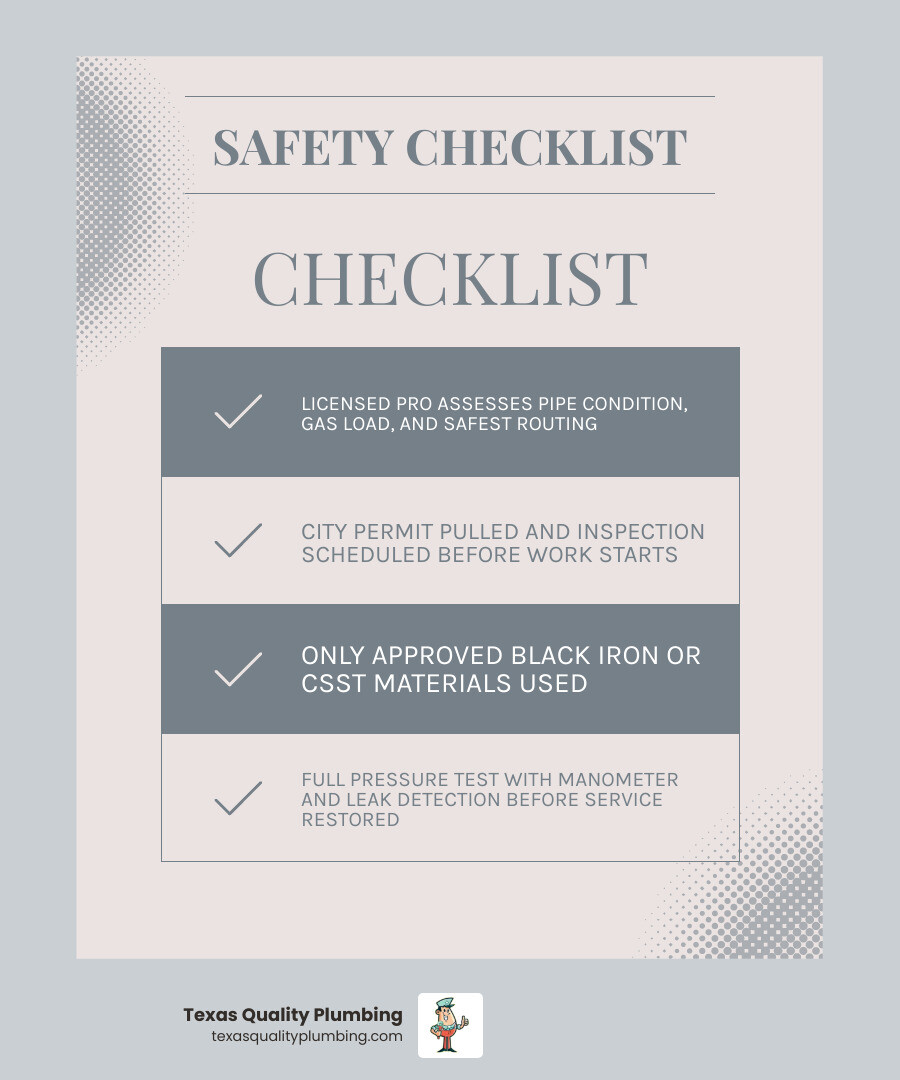
- A licensed professional assesses your system — checking pipe condition, gas load, and the safest route for any new lines.
- Permits are pulled — most gas line work in Houston requires a permit and city inspection before service is restored.
- The work is completed using approved materials — typically black iron pipe or flexible CSST tubing.
- Pressure testing is performed — using a manometer and leak detection methods to confirm zero leaks.
- Gas service is restored only after passing inspection — no shortcuts, no exceptions.
Natural gas powers millions of Texas homes efficiently and reliably — but it’s invisible, highly flammable, and undetectable without added odorant. That’s why every step of a gas line job, from planning to final sign-off, follows strict safety codes. The stakes are simply too high for guesswork.
Recognizing the Signs You Need Gas Line Installation and Repair What to Expect in Houston
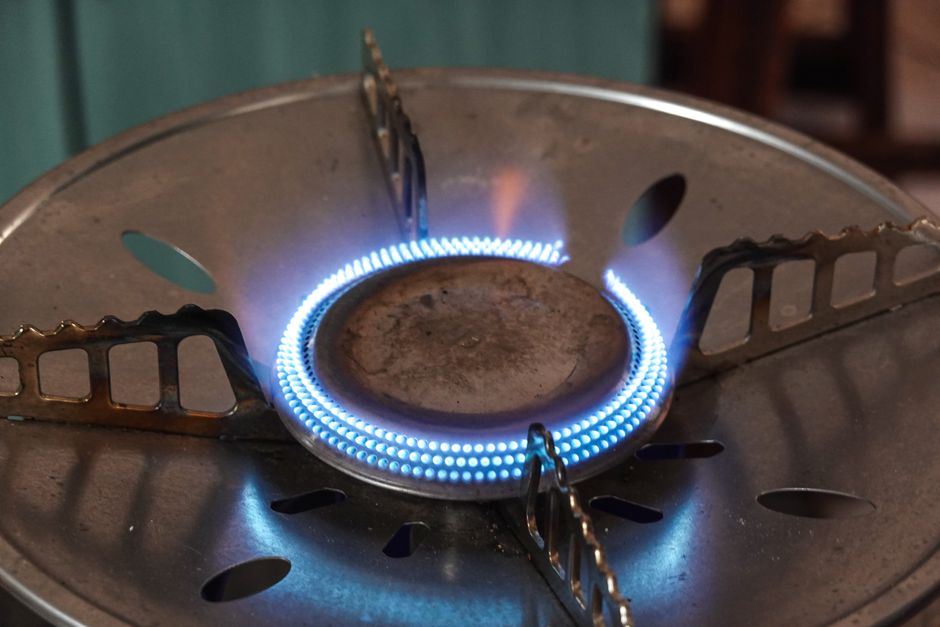
In our humid Houston climate, everything from soil shifting to simple age can affect the integrity of your gas pipes. Knowing how to spot a problem early can prevent a minor repair from becoming a major emergency. While natural gas is naturally odorless and colorless, utility companies add a chemical called mercaptan to give it a distinct “rotten egg” smell. If you catch a whiff of sulfur in your kitchen or laundry room, it is a primary indicator that something is wrong.
Beyond the smell, there are several other clues to watch for:
- Hissing Sounds: If you hear a faint whistling or hissing noise near a gas appliance or behind a wall, gas may be escaping through a small crack or loose fitting.
- Dying Vegetation: For underground lines, look at your lawn. If you notice a patch of grass or garden plants turning yellow or dying in a straight line, it often points to a subterranean leak.
- Appliance Performance: Are your burners taking longer to light? Is your water heater struggling to stay hot? Malfunctioning appliances are often the first sign of a gas supply issue.
- Visible Corrosion: Inspect any exposed pipes in your attic or crawlspace. Heavy rust, flaking metal, or deep pits in the pipe suggest the material is failing.
Understanding this Guide to Owning and Maintaining Home Gas Lines is a great first step in keeping your household safe. If you notice any of these signs, it is time to call in the experts for a thorough evaluation.
The Dangers of DIY and the Importance of Licensed Professionals
We all love a good weekend project, but gas line work is one area where “Doing It Yourself” can have catastrophic consequences. Unlike a leaky faucet that might ruin your floor, a mistake with a gas line can lead to fire hazards, massive explosions, or silent carbon monoxide poisoning.
In the Greater Houston area, gas line work is strictly regulated. There are several reasons why hiring a professional is non-negotiable:
- Safety Standards: Licensed plumbers have the specialized tools, such as manometers and electronic sniffers, to detect leaks that are invisible to the naked eye.
- Code Compliance: Every city from Sugar Land to The Woodlands has specific building codes. Professional work ensures your home remains up to code, which is vital for your safety and your home’s resale value.
- Insurance Protections: Most homeowners’ insurance policies will not cover damages caused by unpermitted or non-professional gas work. If an incident occurs, you could be left with no coverage.
- Expertise: A professional understands the physics of gas flow. We ensure your pipes are sized correctly to handle the “load” of your appliances, preventing efficiency issues or pilot lights that won’t stay lit.
There are many Reasons to Hire Skilled Plumbers, but with gas lines, the most important reason is the peace of mind that comes from knowing the job was done correctly the first time.
Step-by-Step: The Professional Gas Line Installation and Repair Process
When you call us for gas line installation and repair, what to expect starts with a systematic approach. We don’t just start digging or cutting pipes; we follow a rigorous protocol to ensure the system is sound.
- Site Assessment and Planning: We begin by surveying your property. We identify the location of the main gas meter and map out the most efficient route to your appliances.
- BTU Load Calculation: This is a critical technical step. We calculate the total British Thermal Units (BTUs) required by all your gas appliances (furnace, water heater, stove, etc.) to ensure the pipe diameter is large enough to supply enough fuel during peak usage.
- Permit Acquisition: We handle the paperwork. Most of our service areas, including Pearland and Katy, require municipal permits for gas work.
- Trenching and Installation: If we are running a line to an outdoor kitchen or pool heater, we perform careful trenching. We then install the pipes using approved materials.
- Pipe Material Selection:
- Black Iron: The industry standard for indoor, rigid lines. It is incredibly durable and fire-resistant.
- CSST (Corrugated Stainless Steel Tubing): A flexible, yellow-coated tubing that is excellent for navigating tight spaces or retrofitting older homes.
Navigating the Gas Line Installation and Repair What to Expect for New Appliances
Upgrading your home often involves adding new gas-powered luxuries. Whether you are installing a professional-grade gas range, a backyard fire pit, or a high-efficiency pool heater, the installation involves more than just a simple hookup.
We ensure that every new appliance has its own dedicated manual shut-off valve. This allows you to turn off the gas to one specific unit for maintenance without losing heat or hot water in the rest of the house. We also verify proper ventilation to prevent the buildup of combustion byproducts. Exploring the various Plumbing Services Offered by Technicians can help you plan your next home upgrade with confidence.
Safety Testing, Code Compliance, and Preventive Maintenance
The most important part of any gas job happens after the pipes are connected. We never turn the gas back on until we are 100% certain the system is airtight. This involves several layers of testing:
- Pressure Testing: We use a manometer to pump the system with air to a pressure significantly higher than standard gas service. If the gauge holds steady for the required duration (often 24 hours for new installations), we know there are no leaks.
- Soap Solution Checks: We apply a specialized soap solution to every fitting and union. If bubbles form, it indicates a tiny leak that needs tightening.
- Electronic Sniffers: These high-tech devices can detect even the smallest concentrations of gas in the air, providing an extra layer of digital verification.
Once we are satisfied, a city inspector typically visits the site to sign off on the permit. To keep your system in top shape, we recommend annual safety checks. These routine Plumbing Services Prevent Problems by catching corrosion or loose valves before they become dangerous.
Emergency Response: Gas Line Installation and Repair What to Expect if You Smell Gas
If you suspect a leak, your priority is safety, not diagnosis. Follow these steps immediately:
- Evacuate: Get everyone out of the house, including pets.
- Do Not Touch Switches: Don’t turn lights on or off, don’t use the phone, and don’t unplug anything. A tiny spark is all it takes to ignite a leak.
- Call for Help: Once you are at a safe distance, call 911 or your gas utility provider.
- Coordinate with Professionals: After the utility company has cleared the area and shut off the main supply, contact a Plumbing Company Houston residents trust to perform the necessary repairs.
Before any digging occurs on your property—whether for a new gas line or a garden fence—always call 811. This service marks the location of underground utility lines so we can work safely without accidental “dig-ins.”
Frequently Asked Questions About Gas Services
How long does a typical gas line installation or repair take?
For a simple appliance hookup or a minor repair where the pipes are easily accessible, the work can often be completed in a few hours. However, more complex projects—such as running new lines through multiple floors or extensive outdoor trenching—typically take 1 to 2 days. That waiting for city inspections can sometimes add a few days to the total timeline before the gas is officially restored.
When is full gas line replacement recommended over a simple repair?
We generally recommend a full replacement if your pipes show widespread corrosion or if you have experienced multiple leaks in a short period. Older homes with outdated piping materials that no longer meet modern safety codes are also prime candidates for replacement. Additionally, if you are doing a major renovation and adding several high-demand appliances, your existing lines may be undersized, necessitating an upgrade to a larger diameter system.
Do gas line repairs require permits and inspections in Houston?
Yes. In the City of Houston and surrounding areas like Humble and Pasadena, any significant repair or new installation requires a permit. While an emergency repair to stop a leak might be performed immediately for safety, the work must still be documented and often inspected afterward to ensure it meets current code requirements. We handle the permitting process for our customers to ensure everything is legal and safe.
Conclusion
At Texas Quality Plumbing, we understand that your family’s safety is your number one priority. Dealing with gas line installation and repair, what to expect doesn’t have to be a stressful experience when you have the right team by your side. From the initial load calculation to the final pressure test, we bring licensed expertise and a commitment to reliable workmanship to every home in the Greater Houston area.
Whether you are in Porter, Cypress, or the heart of River Oaks, we are here to provide the fast, professional service you deserve. Don’t leave your gas system to chance. Schedule your professional gas line service today and let us ensure your home remains a safe, comfortable place for years to come.