

Recognizing the Warning Signs of a Gas Leak
Natural gas is an incredibly efficient and clean-burning fuel, but because it is highly combustible, detecting a leak early is paramount. In its natural state, natural gas is completely colorless and odorless. To ensure public safety, utility companies add a harmless chemical called mercaptan to the gas supply. Mercaptan gives the gas a highly distinctive, pungent odor that most people compare to rotten eggs or sulfur.
However, relying solely on your sense of smell is not always enough. Some individuals have a diminished sense of smell, and under certain conditions, the odor of mercaptan can fade as it passes through soil or concrete. That is why homeowners should be familiar with all sensory warning signs of a gas leak:
- Auditory Signs (Hissing or Whistling): A damaged pipe, loose connection, or cracked appliance valve can force pressurized gas out of a tiny opening. This often produces a distinct hissing, whistling, or roaring sound near gas appliances, meters, or exposed piping.
- Visual Signs in the Yard: Underground gas lines run beneath our lawns to connect to the main utility grid. If an underground line leaks, the escaping gas displaces oxygen in the soil. This causes patches of grass, plants, or shrubs directly above the line to brown and die unexpectedly.
- Bubbles and Blowing Dirt: If you notice bubbles rising through puddles, standing rainwater, or wet mud around your foundation, it is a strong indicator of an underground gas leak. You might also notice dirt or leaves continuously blowing upward from a dry patch of ground with no wind present.
- Physical Health Symptoms: When natural gas leaks into an enclosed space, it reduces the amount of oxygen available to breathe. If you or your family members experience unexplained headaches, dizziness, nausea, fatigue, lightheadedness, or sudden breathing difficulties while inside the house, you must treat it as a potential gas leak.
Paying close attention to these signs is the first step in protecting your household. For a deeper look at managing your home’s gas infrastructure, read our Guide to Owning & Maintaining Home Gas Lines.
Gas Line Safety and What Homeowners Should Know About Leak Prevention
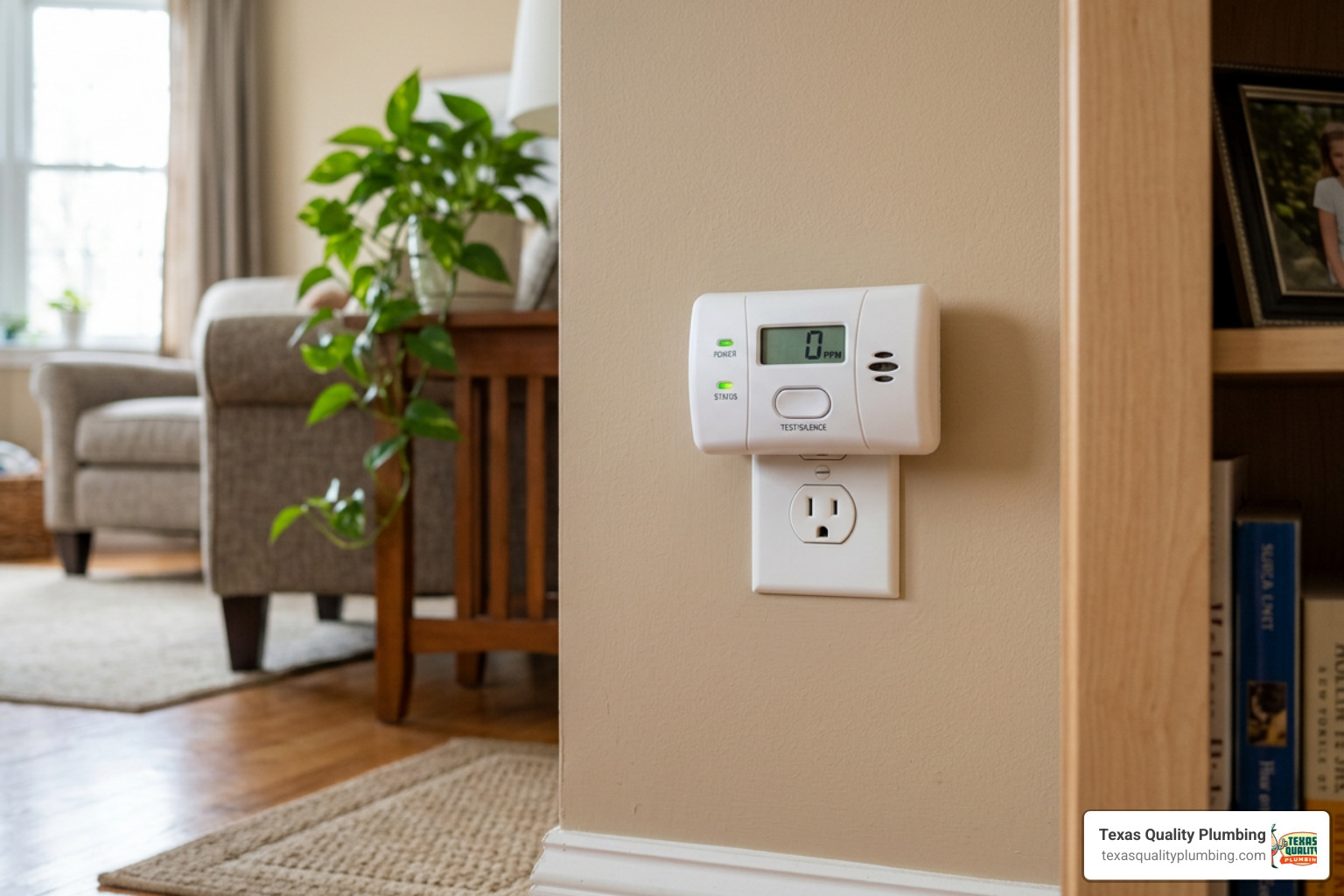
Preventing gas leaks before they start is always the safest approach. While you cannot control the utility grid, you are entirely responsible for the gas lines running from your gas meter into your home and out to your appliances. Taking a proactive approach to safety involves installing the right detection equipment and establishing strong safety habits.
First, understand the difference between gas leak detectors and carbon monoxide (CO) detectors. They are not the same device, and you need both for complete home protection:
- Natural Gas Detectors: These devices specifically monitor the air for combustible gases like methane and propane. They should be installed in rooms with major gas appliances, such as the kitchen, laundry room, or utility closet housing your water heater. Because natural gas is lighter than air and rises, these detectors should be mounted high on the wall or near the ceiling.
- Carbon Monoxide Alarms: Carbon monoxide is a toxic, odorless, and colorless gas produced by the incomplete combustion of fuels. A malfunctioning gas furnace or water heater can fill your home with CO without ever leaking raw natural gas. CO detectors should be installed on every level of your home, particularly right outside sleeping areas.
In addition to installing detectors, every homeowner should know the location of their main gas shutoff valve—usually located next to the outdoor gas meter—and have the proper tools, like a non-sparking wrench, readily accessible to turn it off in an emergency.
Essential Gas Line Safety and What Homeowners Should Know to Protect Their Families
Educating your family about gas safety is just as important as installing hardware. Create a clear emergency plan and practice it regularly. Ensure that everyone in your home, including older children, knows how to recognize the rotten egg smell of mercaptan and understands the emergency evacuation routes.
Teach children that gas appliances, meters, and exposed pipes are not toys. They should never play near the furnace, water heater, or outdoor gas meter.
For appliance safety, proper ventilation is critical. Never block the vents or flues on your gas appliances, as this can cause carbon monoxide to backdraft into your living spaces. Furthermore, if you have gas appliances installed in a garage—such as a water heater—local building codes require them to be elevated at least 18 inches above the floor. This elevation prevents the pilot light or burners from igniting heavy flammable vapors, like spilled gasoline or paint thinners, which naturally pool near the floor.
Immediate Emergency Protocol: What to Do If You Suspect a Leak
If you smell gas, hear hissing, or suspect a leak for any reason, there is no time for hesitation or investigation. You must act immediately to protect your life and the lives of those around you. Natural gas becomes highly explosive when its concentration in the air reaches between 5% and 15%. A single tiny spark can trigger a devastating explosion.
We advise all homeowners to memorize and practice the STOP, LEAVE, CALL emergency protocol:
- STOP: Stop what you are doing immediately. Do not attempt to locate the source of the leak, and do not try to shut off individual gas valves if doing so delays your exit. Most importantly, do not do anything that could create a spark. This means:
- Do not flip any light switches or electrical outlets on or off.
- Do not unplug or plug in any appliances.
- Do not use your home phone, cellphone, or garage door opener inside the house.
- Do not light matches, lighters, or candles.
- Do not start your car if it is parked in an attached garage or near the home.
- LEAVE: Evacuate the building immediately. Ensure that everyone, including your pets, exits the home quickly. As you leave, leave the front door open to help ventilate some of the escaping gas, but do not waste time opening windows.
- CALL: Once you are a safe distance away from the property—ideally down the street—call 911 and your local gas utility provider. Do not use your phone until you are completely clear of the danger zone.
Do not re-enter your home under any circumstances until emergency responders or utility officials have declared it officially safe to do so.
Professional Maintenance vs. Risky DIY Gas Work
Working with gas lines is one of the most heavily regulated residential services, and for good reason. Unlike water plumbing, where a minor mistake results in a wet floor, a mistake with a gas line can result in a catastrophic fire or explosion. Under local building codes, homeowners are generally prohibited from performing their own gas line installations or modifications.
Here is a direct comparison of what a licensed professional brings to the table versus the extreme risks of attempting DIY gas work:
| Aspect of the Work | Licensed Professional Gas Plumber | DIY Gas Work |
|---|---|---|
| Licensing & Credentials | Fully licensed by the state, background-checked, and highly trained in specialized gas codes. | No formal training, certifications, or legal authorization to work on gas systems. |
| Material Selection | Uses high-grade, code-compliant materials like black iron pipe or Corrugated Stainless Steel Tubing (CSST). | Risk of using incorrect materials, unrated flexible connectors, or improper fittings. |
| Safety Protocols | Performs critical electrical bonding for CSST and conducts professional pressure testing. | High risk of leaving pipes unbonded (lightning hazard) or failing to detect micro-leaks. |
| Permits & Inspections | Pulls necessary municipal permits and coordinates official safety inspections. | Work is unpermitted, violating local laws and potentially voiding homeowner’s insurance. |
| Testing Standards | Conducts witnessed pressure tests at 15 PSI or higher for a minimum of 30 minutes. | Relies on guesswork or inadequate testing, leaving hidden hazards behind. |
Using the right materials is crucial. For example, modern Corrugated Stainless Steel Tubing (CSST) is highly flexible and excellent for retrofitting gas lines through tight spaces, but it must be properly grounded and bonded to your home’s electrical system. If it isn’t, a nearby lightning strike can puncture the tubing, resulting in a major fire. Black iron pipe remains the gold standard for durability, especially for outdoor and underground runs, but it requires specialized threading tools and joint compounds that resist high pressure.
For any modifications, extensions, or repairs, relying on a licensed team is non-negotiable. Learn more about how we handle these projects safely by visiting our Gas Line Repair & Installation page.
Determining the Scope of Gas Line Repairs and Replacements
How do you know if your gas lines simply need a minor repair or if they require a full system replacement? The decision depends on several factors, including the age of your home, the material of your pipes, and your future appliance plans.
- Age of the Home: If your home was built before 2000 or is older than 30 years, your gas lines are reaching the end of their reliable lifespan. Older steel pipes are highly susceptible to interior and exterior corrosion, especially in areas with high humidity or shifting clay soils that put physical stress on joint connections.
- Widespread Corrosion vs. Localized Leaks: If a leak occurs at a single joint fitting on an otherwise healthy, modern line, a localized repair is usually sufficient. However, if our team discovers widespread rust, flaking, or thinning wall structures along the pipes during an inspection, a full repiping is the only safe option.
- Appliance Upgrades and BTU Load: Adding new gas appliances—such as upgrading to a high-capacity commercial stove, adding a tankless water heater, or installing a standby backup generator—requires a careful calculation of your home’s total gas load. Natural gas delivers roughly 1,000 BTUs per cubic foot. If your existing piping is undersized for the new load, your appliances will be starved of fuel, leading to poor performance and safety hazards.
Our licensed plumbers evaluate your entire system, calculate the necessary pipe diameters based on your appliances’ BTU demands, and recommend the most durable materials for your property’s unique layout.
Professional Inspections: Gas Line Safety and What Homeowners Should Know About Maintenance
The best way to avoid unexpected gas line failures is to schedule regular professional inspections. While we recommend that homeowners perform a basic visual check of their visible gas connections annually, a comprehensive professional inspection should be scheduled every few years—or immediately if you are buying a new home or upgrading appliances.
During a professional inspection, we don’t just look at the pipes. We perform a thorough pressure test, isolating the gas system and pressurizing it to ensure there are no microscopic leaks hiding behind your walls or under your foundation. This preventative care gives you complete peace of mind that your home’s fuel delivery system is structurally sound.
Frequently Asked Questions About Home Gas Systems
How can I safely test my gas line connections at home?
You should never use an open flame, such as a lighter or match, to search for a gas leak. The only safe way for a homeowner to perform a preliminary check on a visible joint connection is the soapy water test.
To do this, mix a few drops of liquid dish soap with water in a spray bottle or small bucket. Spray or brush the soapy solution generously onto the pipe joints, valves, and connectors. If there is a leak, the escaping gas will create large, expanding bubbles in the soap solution. If you see bubbles forming, turn off the gas supply valve to that appliance immediately and call a licensed plumber to make the repair.
Do I need a permit to install a new gas appliance in Houston?
Yes. Local building codes across the Greater Houston area require official permits for any work that involves installing, extending, or relocating gas piping. This includes adding a line for a new outdoor kitchen, installing a standby generator, or replacing a water heater.
A licensed plumber must pull these permits before the work begins and coordinate the mandatory pressure testing and municipal inspections once the job is complete. This ensures that your system is fully code-compliant and safely installed.
What should I do before digging in my yard near gas lines?
Before you do any digging on your property—whether you are putting in a new fence, planting a tree, or installing landscaping—you must call 811. This is a free national service that coordinates with local utility providers to mark the exact locations of underground gas, water, electric, and sewer lines on your property.
You must call 811 at least a few business days before you plan to dig. Striking a buried gas line is incredibly dangerous and can lead to severe fines, utility disruptions, and life-threatening explosions. Once the lines are marked with yellow paint or flags, always dig carefully by hand within two feet of those markings.
Conclusion
Your home’s gas line system is a vital utility that keeps your family warm, your water hot, and your meals cooked. However, because gas is an unforgiving element, maintaining your system requires vigilance, education, and professional expertise. By recognizing the warning signs of a leak, establishing an emergency protocol, and avoiding dangerous DIY repairs, you can enjoy the efficiency of natural gas with total peace of mind.
At Texas Quality Plumbing, we are dedicated to keeping families safe throughout the Greater Houston area. Our team of fully licensed, experienced plumbers provides the highly specialized care your home’s gas infrastructure demands. Don’t wait for an emergency to find out if your system is safe. Schedule a Professional Gas Line Inspection Today and let us give you the professional protection you deserve.