
Why Understanding How Regular Inspections Prevent Costly Repairs Could Save You Thousands
Understanding how regular inspections prevent costly repairs comes down to one simple idea: small plumbing problems caught early are almost always cheaper to fix than the disasters they become if ignored.
Here is how regular inspections prevent costly repairs:
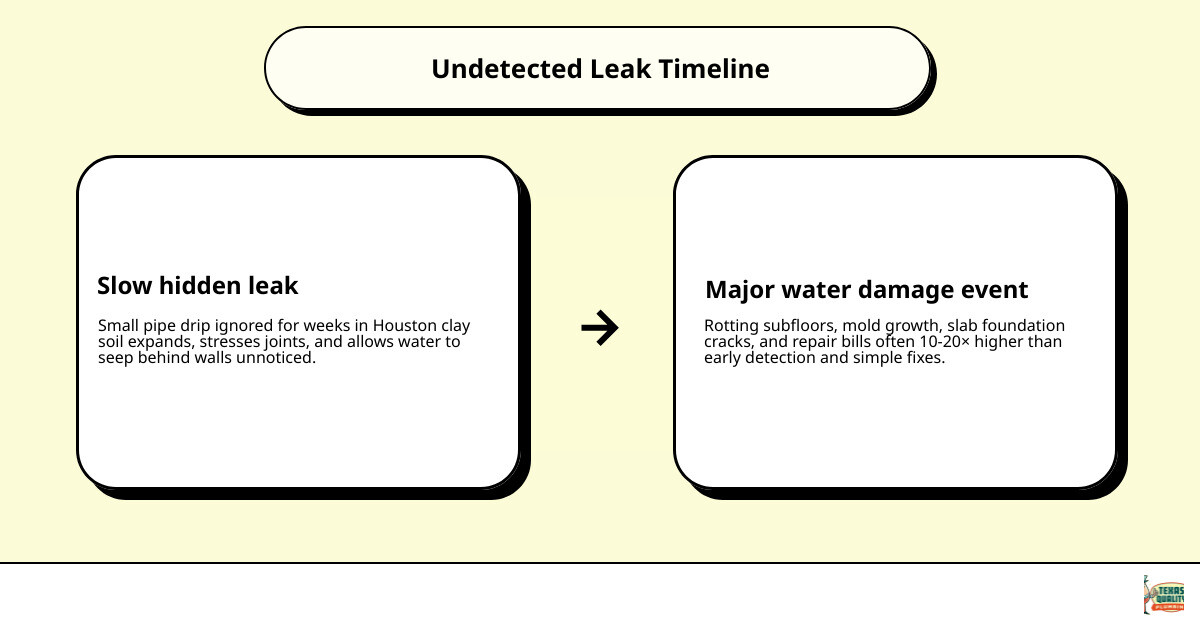
- Catch leaks early – A slow drip under a sink costs little to fix. Left alone for months, it can rot subfloor, grow mold, and cost thousands.
- Spot aging equipment – Water heaters and pipes have a lifespan. Inspections flag them before they fail without warning.
- Prevent sewer emergencies – Houston’s clay-heavy soil shifts constantly, stressing sewer lines. A camera inspection finds cracks before they collapse.
- Avoid water damage – Undetected leaks inside walls or under slabs can cause structural damage that is far more expensive than the original fix.
- Plan repairs on your schedule – Instead of 2 AM emergency calls, you choose when and how repairs happen.
Houston homeowners face some of the toughest conditions for plumbing systems anywhere in Texas. The clay-rich soil expands and contracts with every rain-and-drought cycle. Hard water leaves mineral deposits inside pipes and water heaters. High humidity speeds up corrosion. These local factors make routine plumbing inspections not just a good idea — they make them essential.
The research is clear: regular inspections can reduce emergency repair costs by up to 75%. For every dollar spent on a routine inspection, homeowners can save many times that amount by avoiding the kind of failures that strike without warning and leave you with no good options.
How regular inspections prevent costly repairs vocabulary:
The Financial Benefits: How Regular Inspections Prevent Costly Repairs

When we look at property maintenance, it is easy to view inspections as an unnecessary chore. However, shifting your mindset from reactive fixing to proactive maintenance is the single most effective way to protect your bank account.
Waiting for a plumbing component to fail before addressing it is the most expensive maintenance strategy available. When a pipe bursts or a sewer line backs up, you are not just paying for a plumber to resolve the immediate issue. You are also paying for emergency after-hours dispatch fees, drywall replacement, carpet cleaning, mold remediation, and potentially even temporary lodging if your home becomes uninhabitable.
By contrast, a structured plumbing checkup allows you to identify minor wear and tear and address it on your own timeline. Instead of dealing with a chaotic Saturday night disaster, you can schedule a quick, routine repair during normal business hours. This proactive maintenance significantly extends the overall lifespan of your home’s assets—such as your water heater, fixtures, and underground lines—ensuring they run efficiently for as long as possible.
To illustrate the difference, let us look at how small, easily managed issues can escalate into massive financial headaches when left unmonitored:
| Plumbing Component | Small Issue Caught During Inspection | Escalated Emergency Failure If Ignored |
|---|---|---|
| Sewer Line | Minor tree root intrusion or slight joint misalignment | Complete pipe collapse, sewage backing up into home, extensive yard excavation |
| Water Heater | Corroded anode rod or minor mineral sediment buildup | Tank rupture flooding the garage or closet, ruined subflooring, premature system failure |
| Sink Connections | Slightly weeping angle stop valve or worn-out supply line | Ruptured valve causing house-wide flooding while you are away at work |
| Slab Pipes | Tiny pinhole leak detected via pressure testing | Slab leak undermining the foundation, causing soil erosion, cracking, and structural shifting |
| Shower/Tub Grout | Missing caulk or minor seal degradation | Water seeping into wall cavities, causing structural wood rot and hidden toxic mold growth |
By staying ahead of these issues, you keep minor fixes simple and affordable. To learn more about how simple habits protect your home’s plumbing systems, read our guide on how to Prevent Plumbing Problems with Maintenance.
Key Plumbing Systems to Prioritize During Routine Assessments
Plumbing systems are complex, interconnected networks hidden behind walls, under floors, and beneath your yard. In the Greater Houston area, certain systems are under constant environmental stress and deserve extra attention during your routine plumbing assessments.
- Slab Foundations and Under-Slab Piping: Many homes in areas like Katy, Cypress, and Sugar Land are built on concrete slab foundations. Houston’s clay-rich soil behaves like a sponge—expanding dramatically when wet and shrinking during dry summer droughts. This constant shifting puts immense physical stress on the water and sewer lines running beneath your concrete slab. Over time, this movement can cause pipes to crack or disconnect, leading to slab leaks that damage your foundation.
- Drain and Sewer Lines: Your main sewer line carries all waste away from your home. Because these lines are buried, problems develop quietly out of sight. Tree roots from mature landscaping in older neighborhoods like Kingwood or River Oaks are constantly searching for moisture and will easily exploit tiny cracks in your sewer pipes, leading to stubborn blockages.
- Water Heaters: Whether you have a traditional tank system or a modern tankless model, water heaters are highly susceptible to Houston’s hard water. Mineral deposits settle at the bottom of tank heaters, creating an insulating layer that forces the burner to work harder, eventually overheating and weakening the steel tank.
- Fixtures and Supply Lines: The small shut-off valves (angle stops) under your toilets and sinks are rarely turned, which means they can corrode internally without your knowledge. A routine inspection ensures these valves actually turn off when you need them to and are not actively weeping moisture into your vanity cabinets.
Understanding the early warning signs of subterranean pipe issues is crucial for avoiding a major disaster. Take a moment to read about the Signs of Hidden Sewer Line Problems to keep your home safe.
How Regular Inspections Prevent Costly Repairs in Sewer Lines
Your sewer lateral is one of the most critical pathways in your home. When a main sewer line fails, the results are messy, disruptive, and incredibly expensive to clean up.
Using advanced diagnostic tools like a high-definition sewer camera, we can travel deep inside your underground pipes to check their structural integrity. This allows us to see exactly what is happening inside the line without digging up your beautiful landscaping. We look for early signs of joint displacement, hairline cracks, and initial root intrusion.
In Houston’s shifting clay soils, a sewer line can slowly lose its slope or develop “bellies” (sagging sections where waste pools). Catching these issues early means we can perform targeted repairs—often using trenchless technology—before the pipe collapses entirely. To learn more about how this technology works, check out our comprehensive Sewer Camera Inspection Houston Guide and find out how we Sewer Camera Identify Hidden Issues before they ruin your day.
How Regular Inspections Prevent Costly Repairs in Water Heaters
Your water heater works hard every single day, but it is often a case of “out of sight, out of mind” until your morning shower suddenly turns ice cold.
Inside every standard tank water heater is a sacrificial anode rod. This rod is designed to attract corrosive elements in the water, rusting away so that the steel tank itself does not. If you do not inspect and replace this rod every few years, the water will begin corroding the tank walls, leading to a catastrophic rupture.
Additionally, Houston’s hard water causes rapid sediment buildup. Regular flushing removes these mineral deposits, keeping your system running efficiently and preventing the tank from overheating. If you have a tankless system, annual descaling is vital to keep the heat exchanger from clogging and failing prematurely. Proactive care is the best way to safeguard this major appliance. Learn more about how to Protect Your Investment with Texas Quality Plumbing.
Advanced Diagnostic Tools for Early Defect Detection
Gone are the days when plumbers had to rely solely on guesswork or destructive exploratory digging to find a leak. Today, we utilize cutting-edge diagnostic technology to pinpoint issues with absolute precision, saving you time, money, and stress.
- CCTV Drain Cameras: These waterproof, high-resolution cameras are threaded through your sewer lines on a flexible push-cable. They provide real-time video footage of the interior of your pipes, allowing us to see cracks, root intrusions, and blockages with perfect clarity.
- Thermal Imaging: Infrared cameras allow us to detect temperature anomalies behind your drywall or under your flooring. Because water changes the thermal properties of building materials, we can spot hidden moisture plumes and active pipe leaks without tearing down your walls.
- Hydrostatic Pressure Testing: By temporarily sealing your plumbing system and monitoring pressure drops, we can determine with absolute certainty whether there is a hidden leak in the sanitary sewer system beneath your home’s foundation slab.
Investing in these advanced methods ensures that we find the exact source of your issue on the first visit. Read more about the benefits of Plumbing Regular Sewer Camera Inspections and see exactly how we use a Sewer Camera Detect Plumbing Issues to keep your home’s foundation secure.
Frequently Asked Questions About Plumbing Inspections
How often should Houston homeowners schedule a plumbing inspection?
For most homes in the Greater Houston area, we recommend scheduling a professional plumbing inspection once a year.
Because our local clay soil constantly expands and contracts with seasonal weather extremes—such as intense summer heatwaves and heavy spring rains—underground pipes are subjected to continuous physical movement. An annual checkup ensures that any subtle shifting or joint separation is identified and corrected before it causes a major leak. Regular monitoring is key to long-term home health; learn more about Maintaining Home with Sewer Camera Inspections.
What is the difference between a standard home inspection and a plumbing-focused maintenance inspection?
A standard home inspection is a general, non-invasive visual assessment usually performed during a real estate transaction. The inspector checks if fixtures turn on and look for obvious signs of active leaks, but they do not have the specialized tools required to evaluate the hidden portions of your system.
A plumbing-focused maintenance inspection is a highly detailed diagnostic evaluation performed by licensed plumbing specialists. We use advanced diagnostic tools like sewer scopes, hydrostatic pressure testing, and leak detection equipment to check the structural integrity of your entire system, including the buried lines beneath your slab. If you are wondering whether this specialized service is right for your property, read our guide: Do You Need Sewer Camera Inspection?.
How do I document inspection findings for insurance or future planning?
Proper documentation is incredibly valuable for supporting future homeowners’ insurance claims, planning capital home improvements, or proving your home’s maintenance history to potential buyers.
Whenever we perform an inspection, we provide a detailed written report along with clear photo and video logs of our findings. We recommend saving these digital files in secure cloud storage. This creates a clear, auditable trail of your home’s plumbing health over time, proving that you have been proactive in caring for your property. To see how professional documentation keeps your system in peak condition, read about keeping your Sewer Camera Inspection Plumbing Healthy.
Conclusion
Taking a proactive approach to your home’s plumbing is the smartest financial decision you can make as a homeowner. By understanding how regular inspections prevent costly repairs, you can protect your property from unexpected water damage, preserve your foundation, and extend the lifespan of your critical appliances.
At Texas Quality Plumbing, we are dedicated to helping families throughout Greater Houston—from Conroe and The Woodlands down to Pearland and Sugar Land—keep their homes safe, comfortable, and efficient. Our popular VIP maintenance plan offers homeowners peace of mind with regular checkups, priority scheduling, and waived dispatch fees, making it easier than ever to stay ahead of potential issues.
Do not wait for a major leak or backup to disrupt your life. Schedule your professional plumbing inspection with Texas Quality Plumbing today and let our experienced, licensed team protect your home and your peace of mind!